
'%20fill='%23999999'%20fill-rule='nonzero'%3e%3cpath%20d='M89,17%20C89.571637,17%2090.0350404,17.4634034%2090.0350404,18.0350404%20L90.035,23.964%20L95.9649596,23.9649596%20C96.5365966,23.9649596%2097,24.428363%2097,25%20C97,25.571637%2096.5365966,26.0350404%2095.9649596,26.0350404%20L90.035,26.035%20L90.0350404,31.9649596%20C90.0350404,32.5365966%2089.571637,33%2089,33%20C88.428363,33%2087.9649596,32.5365966%2087.9649596,31.9649596%20L87.964,26.035%20L82.0350404,26.0350404%20C81.4634034,26.0350404%2081,25.571637%2081,25%20C81,24.428363%2081.4634034,23.9649596%2082.0350404,23.9649596%20L87.964,23.964%20L87.9649596,18.0350404%20C87.9649596,17.4634034%2088.428363,17%2089,17%20Z'%20id='形状结合'%20transform='translate(89.000000,%2025.000000)%20rotate(-315.000000)%20translate(-89.000000,%20-25.000000)%20'%3e%3c/path%3e%3c/g%3e%3c/g%3e%3c/svg%3e)
'%3e%3cg%20id='编组-6'%20transform='translate(1373.000000,%2025.000000)'%3e%3cg%20id='下拉备份-3'%20transform='translate(123.000000,%200.000000)'%3e%3crect%20id='矩形'%20x='0'%20y='0'%20width='24'%20height='24'%3e%3c/rect%3e%3cpath%20d='M17.6089435,8.9653235%20C17.896574,8.70700919%2018.5132174,8.78545894%2018.7616382,9.08454445%20C19.010059,9.38362996%2019.0492687,9.99880806%2018.7616382,10.2571224%20L12.5607696,15.8259798%20C12.3058327,16.0549327%2011.9289773,16.0583315%2011.6702596,15.8340113%20L5.24746896,10.2651538%20C4.95557272,10.0120663%205.00407468,9.38806562%205.24746896,9.08454445%20C5.49086324,8.78102329%206.13205521,8.71223591%206.42395145,8.9653235%20L12.102706,13.9843741%20L17.6089435,8.9653235%20Z'%20id='路径-2'%20fill='%23475288'%20fill-rule='nonzero'%3e%3c/path%3e%3c/g%3e%3c/g%3e%3c/g%3e%3c/g%3e%3c/svg%3e)
'%3e%3cg%20id='编组'%20transform='translate(0.000000,%2074.000000)'%3e%3cg%20id='编组-2'%20transform='translate(725.000000,%2030.000000)'%3e%3cg%20id='下拉备份'%20transform='translate(243.000000,%208.000000)'%3e%3crect%20id='矩形'%20fill='%23F4F4F4'%20x='0'%20y='0'%20width='24'%20height='24'%20rx='4'%3e%3c/rect%3e%3cpath%20d='M17.6089435,8.9653235%20C17.896574,8.70700919%2018.5132174,8.78545894%2018.7616382,9.08454445%20C19.010059,9.38362996%2019.0492687,9.99880806%2018.7616382,10.2571224%20L12.5607696,15.8259798%20C12.3058327,16.0549327%2011.9289773,16.0583315%2011.6702596,15.8340113%20L5.24746896,10.2651538%20C4.95557272,10.0120663%205.00407468,9.38806562%205.24746896,9.08454445%20C5.49086324,8.78102329%206.13205521,8.71223591%206.42395145,8.9653235%20L12.102706,13.9843741%20L17.6089435,8.9653235%20Z'%20id='路径-2'%20fill='%23475288'%20fill-rule='nonzero'%3e%3c/path%3e%3c/g%3e%3c/g%3e%3c/g%3e%3c/g%3e%3c/g%3e%3c/svg%3e)
'%20filter='url(%23filter-1)'%3e%3cg%20id='编组-2'%20transform='translate(337.000000,%2013.000000)'%3e%3crect%20id='矩形'%20x='0'%20y='0'%20width='28'%20height='28'%3e%3c/rect%3e%3cg%20id='编组'%20transform='translate(5.250000,%207.000000)'%20stroke='%23475288'%20stroke-linecap='round'%20stroke-width='1.75'%3e%3cpath%20d='M0,0.4375%20L17.5,0.4375%20M0,7.4375%20L17.5,7.4375%20M0,14.4375%20L17.5,14.4375'%20id='形状结合'%3e%3c/path%3e%3c/g%3e%3c/g%3e%3c/g%3e%3c/g%3e%3c/svg%3e)
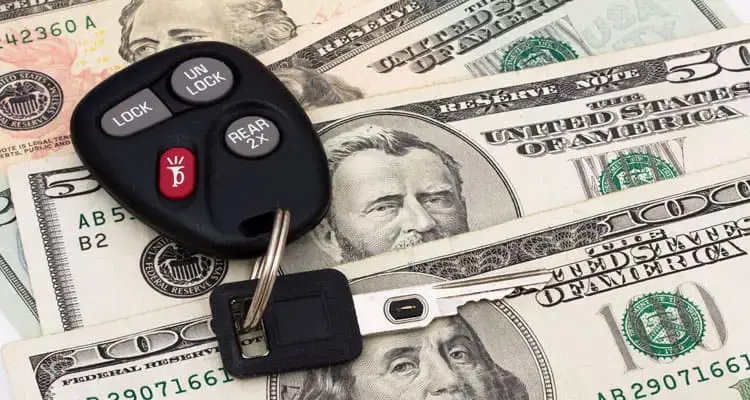
Selling your car can be stressful, but with the right strategy, you can maximize your profit. This guide covers every step—from preparing your vehicle and pricing it competitively to negotiating and completing the sale legally.
Preparing Your Car for Sale
Proper preparation can significantly increase the value of your vehicle. Buyers are more likely to pay a premium for a car that looks clean, runs smoothly, and has documented maintenance history.
Used Car Value Enhancement
Enhancing your car’s value begins with a combination of cosmetic improvements and minor repairs. This could include washing and waxing the exterior, cleaning carpets and upholstery, replacing worn floor mats, and addressing dents or scratches. A car that looks well-maintained immediately builds buyer confidence. Additionally, keeping your maintenance records visible and organized shows that you’ve cared for your vehicle, which can justify a higher asking price.
Related Article: The "Red Flag" Pre-purchase Checklist
Investing in small repairs like fixing a broken taillight, topping off fluids, or replacing worn tires can significantly affect the perceived value. Buyers often assume a well-kept car costs less to maintain, and these small enhancements can sometimes add hundreds or even thousands to your sale price.
Related Article: Common Used Car Problems by Age & Mileage: What to Expect?
A Complete Car Maintenance Checklist Ensures You Don’t Miss Any Items
Before listing your car, run through a full maintenance checklist to catch any potential issues. Include essential areas such as brakes, engine fluids, tires, battery, and lights. Performing these checks reduces the chance of surprises during inspections or negotiations and ensures that your car is in top operational condition.
Related Article: How to Thoroughly Inspect a Used Car Before Buying It?
A well-documented checklist also provides transparency to buyers. If you can show that the car has recently undergone an oil change, tire rotation, or brake replacement, it can reassure buyers of the vehicle’s reliability and positively influence their willingness to pay a higher price.
Cleaning Tips
Deep cleaning is one of the most cost-effective ways to enhance your car’s value. Wash and wax the exterior to restore shine, clean windows and mirrors, and remove any visible dirt or grime from wheels and undercarriage areas.
Related Article: Why is it Necessary to Check a Vehicle's History Report?
For the interior, vacuum carpets, shampoo seats, and clean dashboard surfaces. Remove odors using mild air fresheners and eliminate any personal items. A clean, fresh-smelling car will attract more buyers and make them more likely to perceive the car as well-maintained, increasing the likelihood of a higher offer.
Pricing Your Vehicle Competitively
Pricing your vehicle correctly is critical for maximizing its value. Overpricing can scare off potential buyers, while underpricing risks leaving money on the table.
Price Strategy
Developing a clear price strategy begins with understanding your goals. Are you looking for a fast sale, or are you willing to wait for top dollar? Your strategy should balance market demand, vehicle condition, and urgency.
Related Article: Price Strategy: When & How to Sell for Maximum Value
Consider setting a slightly higher listing price to leave room for negotiation. Many buyers expect to haggle, so pricing just above your target sale price gives you flexibility while still achieving your desired profit.
Market Research
Researching local market trends helps ensure your asking price is competitive. Check online listings for vehicles similar to yours, noting mileage, year, condition, and features.
Related Article: How Much Does Used Car Usually Cost?
Understanding supply and demand in your area can also help. For example, SUVs might be more valuable in colder climates with snow, whereas convertibles may sell better in sunny regions. Market research gives you a data-driven foundation for setting a realistic and attractive price.
Valuation Tools
Tools like Kelley Blue Book, Edmunds, and NADA Guides provide reliable vehicle valuation estimates. These tools factor in make, model, mileage, condition, and geographic location to determine fair market value.
Related Article: Total Cost of Ownership for Used Cars: Beyond Purchase Price
Using these tools not only helps you set a competitive price but also strengthens your position during negotiations. If buyers question your price, you can show them objective valuation reports to justify your asking price, making the transaction smoother and more professional.
Choosing Your Sales Channel
Choosing the right sales channel can influence both the speed of your sale and the amount of money you receive.
Title Transfer / How to Sell
Understanding the title transfer process is essential for legal and financial protection. Ensure the title is clear of liens and ready for transfer. Sign over the title only after full payment, and check your state’s specific requirements for notarization or additional paperwork.
Related Article: Legal Tips: Title Transfer & State Laws
The title transfer protects you from liability for accidents, tickets, or other issues after the car is sold. Failing to properly transfer the title can lead to legal headaches or delayed sale completion.
Online Platforms
Online platforms such as Craigslist, Autotrader, CarGurus, and Carvana make reaching buyers easier and faster. Each platform has its own audience, listing rules, and fee structure, so consider your options carefully.
High-quality listings with multiple photos, detailed descriptions, and transparent pricing tend to attract more serious buyers. Online platforms also allow you to screen inquiries and negotiate with multiple potential buyers simultaneously, increasing your chances of getting the best price.
Certified Pre-Owned (CPO) vs Private Sale: Which Is Better?
Selling to a dealership or as a CPO vehicle can be convenient but usually results in a lower offer compared to private sales. CPO programs often require inspections and repairs, but they offer buyers peace of mind and can lead to faster sales.
Related Article: Certified Pre-Owned (CPO) vs Private Sale: Which Is Better?
Private sales may take more time and effort but often result in higher profits. Deciding which route is best depends on how quickly you want to sell, how much effort you’re willing to put in, and whether you prioritize convenience or maximum cash return.
Marketing Your Vehicle
Marketing effectively is key to attracting serious buyers. A strong presentation can increase both inquiries and final sale price.
Photography Tips
High-quality photos showcase your car’s best features. Use natural light, clean backgrounds, and multiple angles. Include interior shots, engine bay, trunk, wheels, and any upgrades or damages that are important for transparency.
Related Article: How to Avoid Common Used Car Buying Mistakes
Good photos can generate more interest and reduce unnecessary questions from buyers. Clear, professional-looking photos give the impression of a well-maintained car, increasing buyer confidence and perceived value.
Buyer Psychology
Understanding buyer psychology helps you highlight features that influence decisions. Emphasize fuel efficiency, safety ratings, recent maintenance, or technology upgrades that appeal to buyers’ practical and emotional needs.
Related Article: When Is the Best Time to Buy a Used Car? Seasonal Trends
Transparency also builds trust. Provide accurate descriptions, disclose minor issues, and respond promptly to inquiries. Buyers are willing to pay more for a vehicle they trust and feel confident purchasing.
Negotiating with Buyers
Negotiation is often the final and most critical step in maximizing your sale price.
7 Tips for Negotiating the Price of a Used Car
Prepare your minimum acceptable price, remain polite, and be patient with offers. Use documentation such as maintenance records, recent inspections, and valuation reports to justify your asking price.
Related Article: 7 Tips for Negotiating the Price of a Used Car
Negotiation tactics include starting slightly higher than your target price, emphasizing your car’s strengths, and remaining flexible but firm. Avoid rushing the buyer, and be ready to walk away if necessary. Successful negotiation ensures you get fair market value for your vehicle.
Price Strategy and Negotiation Tactics
Combining a clear pricing strategy with negotiation tactics increases your chances of a favorable sale. Always anchor your price with research and valuation tools, and anticipate common buyer objections.
Related Article: Interest Rates & APR: Understanding Your Loan Costs
Being well-prepared allows you to respond confidently to lowball offers, redirecting the conversation toward the car’s value and the benefits of purchasing from you. This approach maximizes both buyer trust and your final sale price.
Completing the Sale Legally
Completing the sale correctly protects you legally and financially.
Legal Tips
Finalize the sale with a bill of sale, ensure payment is secure, and confirm the title transfer. Cancel your insurance and notify your DMV, if required. Keep copies of all documents for your records.
Related Article: Vehicle Title Issues: Understanding Clean vs Salvage Titles
Legal compliance safeguards you against future liability and ensures that ownership is officially transferred to the buyer. This step is essential for a professional and worry-free transaction.
State Laws
State laws vary regarding title transfers, taxes, registration, and disclosure requirements. Check your local DMV or official state websites to ensure compliance. Some states require notarized documents or emissions inspections before completing a sale.
Related Article: Legal Tips: Title Transfer & State Laws
Understanding and following these regulations avoids fines, delays, and legal issues, ensuring a smooth and secure sale for both parties.
Conclusion
This comprehensive car selling guide is designed to help users understand the often complex process of selling a vehicle in the U.S. By following these steps, you can avoid common pitfalls, save time, and maximize the money you get from your car, ensuring a smooth and confident sale.