
'%20fill='%23999999'%20fill-rule='nonzero'%3e%3cpath%20d='M89,17%20C89.571637,17%2090.0350404,17.4634034%2090.0350404,18.0350404%20L90.035,23.964%20L95.9649596,23.9649596%20C96.5365966,23.9649596%2097,24.428363%2097,25%20C97,25.571637%2096.5365966,26.0350404%2095.9649596,26.0350404%20L90.035,26.035%20L90.0350404,31.9649596%20C90.0350404,32.5365966%2089.571637,33%2089,33%20C88.428363,33%2087.9649596,32.5365966%2087.9649596,31.9649596%20L87.964,26.035%20L82.0350404,26.0350404%20C81.4634034,26.0350404%2081,25.571637%2081,25%20C81,24.428363%2081.4634034,23.9649596%2082.0350404,23.9649596%20L87.964,23.964%20L87.9649596,18.0350404%20C87.9649596,17.4634034%2088.428363,17%2089,17%20Z'%20id='形状结合'%20transform='translate(89.000000,%2025.000000)%20rotate(-315.000000)%20translate(-89.000000,%20-25.000000)%20'%3e%3c/path%3e%3c/g%3e%3c/g%3e%3c/svg%3e)
'%3e%3cg%20id='编组-6'%20transform='translate(1373.000000,%2025.000000)'%3e%3cg%20id='下拉备份-3'%20transform='translate(123.000000,%200.000000)'%3e%3crect%20id='矩形'%20x='0'%20y='0'%20width='24'%20height='24'%3e%3c/rect%3e%3cpath%20d='M17.6089435,8.9653235%20C17.896574,8.70700919%2018.5132174,8.78545894%2018.7616382,9.08454445%20C19.010059,9.38362996%2019.0492687,9.99880806%2018.7616382,10.2571224%20L12.5607696,15.8259798%20C12.3058327,16.0549327%2011.9289773,16.0583315%2011.6702596,15.8340113%20L5.24746896,10.2651538%20C4.95557272,10.0120663%205.00407468,9.38806562%205.24746896,9.08454445%20C5.49086324,8.78102329%206.13205521,8.71223591%206.42395145,8.9653235%20L12.102706,13.9843741%20L17.6089435,8.9653235%20Z'%20id='路径-2'%20fill='%23475288'%20fill-rule='nonzero'%3e%3c/path%3e%3c/g%3e%3c/g%3e%3c/g%3e%3c/g%3e%3c/svg%3e)
'%3e%3cg%20id='编组'%20transform='translate(0.000000,%2074.000000)'%3e%3cg%20id='编组-2'%20transform='translate(725.000000,%2030.000000)'%3e%3cg%20id='下拉备份'%20transform='translate(243.000000,%208.000000)'%3e%3crect%20id='矩形'%20fill='%23F4F4F4'%20x='0'%20y='0'%20width='24'%20height='24'%20rx='4'%3e%3c/rect%3e%3cpath%20d='M17.6089435,8.9653235%20C17.896574,8.70700919%2018.5132174,8.78545894%2018.7616382,9.08454445%20C19.010059,9.38362996%2019.0492687,9.99880806%2018.7616382,10.2571224%20L12.5607696,15.8259798%20C12.3058327,16.0549327%2011.9289773,16.0583315%2011.6702596,15.8340113%20L5.24746896,10.2651538%20C4.95557272,10.0120663%205.00407468,9.38806562%205.24746896,9.08454445%20C5.49086324,8.78102329%206.13205521,8.71223591%206.42395145,8.9653235%20L12.102706,13.9843741%20L17.6089435,8.9653235%20Z'%20id='路径-2'%20fill='%23475288'%20fill-rule='nonzero'%3e%3c/path%3e%3c/g%3e%3c/g%3e%3c/g%3e%3c/g%3e%3c/g%3e%3c/svg%3e)
'%20filter='url(%23filter-1)'%3e%3cg%20id='编组-2'%20transform='translate(337.000000,%2013.000000)'%3e%3crect%20id='矩形'%20x='0'%20y='0'%20width='28'%20height='28'%3e%3c/rect%3e%3cg%20id='编组'%20transform='translate(5.250000,%207.000000)'%20stroke='%23475288'%20stroke-linecap='round'%20stroke-width='1.75'%3e%3cpath%20d='M0,0.4375%20L17.5,0.4375%20M0,7.4375%20L17.5,7.4375%20M0,14.4375%20L17.5,14.4375'%20id='形状结合'%3e%3c/path%3e%3c/g%3e%3c/g%3e%3c/g%3e%3c/g%3e%3c/svg%3e)
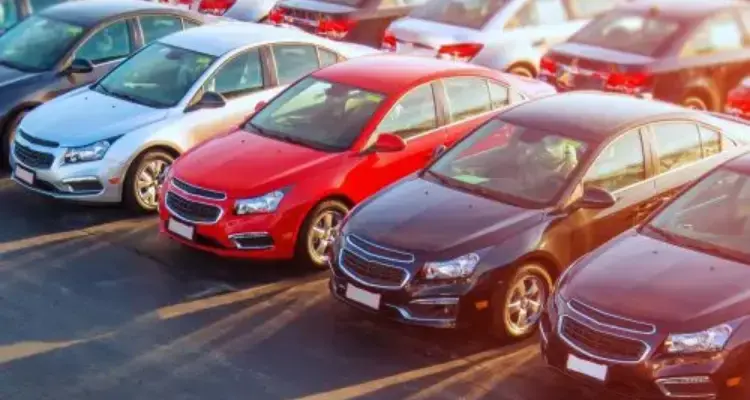
Buying a used car can be a smart financial choice, but understanding the true cost is essential before making a decision. The sticker price is just the beginning—loans, insurance, taxes, maintenance, and other hidden expenses can significantly affect your budget. This guide breaks down the costs, financing options, and strategies to save money when buying a used car in the U.S.
How to Calculate the True Cost of Buying a Used Car
When estimating the total cost, it’s important to go beyond the purchase price. A comprehensive calculation should include all associated expenses, such as financing, insurance, registration fees, and maintenance.
| Expense Type | Typical Cost Range | Notes |
|---|---|---|
| Purchase Price | $5,000 – $25,000+ | Depends on make, model, year, mileage, and condition |
| Sales Tax | 4% – 10% | Varies by state |
| Registration & Title | $50 – $500 | Depends on state and car weight |
| Insurance | $50 – $200/month | Depends on driver history, location, and coverage type |
| Maintenance & Repairs | $500 – $1,500/year | Older cars may require more frequent repairs |
| Fuel | $1,200 – $2,000/year | Depends on mileage and gas prices |
Related Article: Total Cost of Ownership for Used Cars: Beyond Purchase Price
Loans, Insurance, Taxes, Maintenance – How Much Will Each of These Cost?
1. Loans and Financing
Most buyers need financing to purchase a used car. Loan terms, interest rates, and repayment duration will affect your monthly payment and total cost.
- Bank Loans: Typically lower interest rates, but approval can be stricter.
- Dealership Financing: Convenient, may offer promotional deals, but often higher interest.
Related Article: How to Apply Used Car Loans?
2. Insurance
Insurance cost depends on your age, driving record, car model, and coverage type. Comprehensive and collision coverage will increase monthly premiums.
3. Taxes and Registration
Sales tax and registration fees vary by state and should be included in your purchase budget to avoid surprises.
4. Maintenance and Repairs
Even well-maintained used cars need regular service. Budget for:
- Oil changes
- Brake pads
- Tires
- Unexpected repairs (especially for cars older than 5–7 years)
Related Article: Total Cost of Ownership for Used Cars: Beyond Purchase Price
Money-Saving Tips
Buying a used car doesn’t have to drain your wallet. Consider these strategies:
- Buy older but reliable models: Cars that are 3–5 years old often depreciate faster but are still in good condition.
- Negotiate the price: Research market prices and be ready to walk away.
- Check for certified pre-owned (CPO) deals: Often come with extended warranties.
- Bundle insurance and maintenance deals if offered by dealerships.
Related Articles: 7 Tips for Negotiating the Price of a Used Car, Price Strategy: When & How to Sell for Maximum Value
What Expenses Should Be Included in a Car Purchase Budget?
When planning your budget, include all one-time and recurring costs:
- Vehicle price
- Financing interest
- Sales tax and registration fees
- Insurance premiums
- Maintenance and repairs
- Fuel costs
- Optional: extended warranties, accessories, and roadside assistance
This comprehensive approach ensures you won’t be caught off guard by hidden expenses.
Bank Loans vs. Dealership Financing
Choosing between bank loans and dealership financing can significantly impact your total cost.
| Financing Option | Pros | Cons |
|---|---|---|
| Bank Loans | Lower interest rates, flexible terms | May require good credit, less convenience |
| Dealership Financing | Quick approval, possible promotional deals | Higher interest rates, potential hidden fees |
Tip: Compare monthly payments and total interest to determine the most cost-effective option.
Related Article: How to Apply Used Car Loans?
Conclusion
The price of a used car is just the starting point. To make a smart purchase:
- Calculate the total cost including loans, insurance, taxes, and maintenance
- Set a realistic budget
- Explore money-saving tips and financing options
- Use research and negotiation strategies
With proper planning, you can confidently buy a used car that fits your needs and budget.