
'%20fill='%23999999'%20fill-rule='nonzero'%3e%3cpath%20d='M89,17%20C89.571637,17%2090.0350404,17.4634034%2090.0350404,18.0350404%20L90.035,23.964%20L95.9649596,23.9649596%20C96.5365966,23.9649596%2097,24.428363%2097,25%20C97,25.571637%2096.5365966,26.0350404%2095.9649596,26.0350404%20L90.035,26.035%20L90.0350404,31.9649596%20C90.0350404,32.5365966%2089.571637,33%2089,33%20C88.428363,33%2087.9649596,32.5365966%2087.9649596,31.9649596%20L87.964,26.035%20L82.0350404,26.0350404%20C81.4634034,26.0350404%2081,25.571637%2081,25%20C81,24.428363%2081.4634034,23.9649596%2082.0350404,23.9649596%20L87.964,23.964%20L87.9649596,18.0350404%20C87.9649596,17.4634034%2088.428363,17%2089,17%20Z'%20id='形状结合'%20transform='translate(89.000000,%2025.000000)%20rotate(-315.000000)%20translate(-89.000000,%20-25.000000)%20'%3e%3c/path%3e%3c/g%3e%3c/g%3e%3c/svg%3e)
'%3e%3cg%20id='编组-6'%20transform='translate(1373.000000,%2025.000000)'%3e%3cg%20id='下拉备份-3'%20transform='translate(123.000000,%200.000000)'%3e%3crect%20id='矩形'%20x='0'%20y='0'%20width='24'%20height='24'%3e%3c/rect%3e%3cpath%20d='M17.6089435,8.9653235%20C17.896574,8.70700919%2018.5132174,8.78545894%2018.7616382,9.08454445%20C19.010059,9.38362996%2019.0492687,9.99880806%2018.7616382,10.2571224%20L12.5607696,15.8259798%20C12.3058327,16.0549327%2011.9289773,16.0583315%2011.6702596,15.8340113%20L5.24746896,10.2651538%20C4.95557272,10.0120663%205.00407468,9.38806562%205.24746896,9.08454445%20C5.49086324,8.78102329%206.13205521,8.71223591%206.42395145,8.9653235%20L12.102706,13.9843741%20L17.6089435,8.9653235%20Z'%20id='路径-2'%20fill='%23475288'%20fill-rule='nonzero'%3e%3c/path%3e%3c/g%3e%3c/g%3e%3c/g%3e%3c/g%3e%3c/svg%3e)
'%3e%3cg%20id='编组'%20transform='translate(0.000000,%2074.000000)'%3e%3cg%20id='编组-2'%20transform='translate(725.000000,%2030.000000)'%3e%3cg%20id='下拉备份'%20transform='translate(243.000000,%208.000000)'%3e%3crect%20id='矩形'%20fill='%23F4F4F4'%20x='0'%20y='0'%20width='24'%20height='24'%20rx='4'%3e%3c/rect%3e%3cpath%20d='M17.6089435,8.9653235%20C17.896574,8.70700919%2018.5132174,8.78545894%2018.7616382,9.08454445%20C19.010059,9.38362996%2019.0492687,9.99880806%2018.7616382,10.2571224%20L12.5607696,15.8259798%20C12.3058327,16.0549327%2011.9289773,16.0583315%2011.6702596,15.8340113%20L5.24746896,10.2651538%20C4.95557272,10.0120663%205.00407468,9.38806562%205.24746896,9.08454445%20C5.49086324,8.78102329%206.13205521,8.71223591%206.42395145,8.9653235%20L12.102706,13.9843741%20L17.6089435,8.9653235%20Z'%20id='路径-2'%20fill='%23475288'%20fill-rule='nonzero'%3e%3c/path%3e%3c/g%3e%3c/g%3e%3c/g%3e%3c/g%3e%3c/g%3e%3c/svg%3e)
'%20filter='url(%23filter-1)'%3e%3cg%20id='编组-2'%20transform='translate(337.000000,%2013.000000)'%3e%3crect%20id='矩形'%20x='0'%20y='0'%20width='28'%20height='28'%3e%3c/rect%3e%3cg%20id='编组'%20transform='translate(5.250000,%207.000000)'%20stroke='%23475288'%20stroke-linecap='round'%20stroke-width='1.75'%3e%3cpath%20d='M0,0.4375%20L17.5,0.4375%20M0,7.4375%20L17.5,7.4375%20M0,14.4375%20L17.5,14.4375'%20id='形状结合'%3e%3c/path%3e%3c/g%3e%3c/g%3e%3c/g%3e%3c/g%3e%3c/svg%3e)
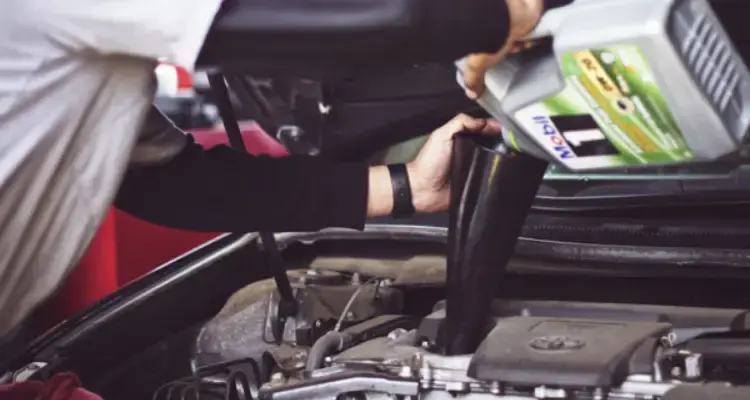
Keeping your car in top shape isn’t just about avoiding breakdowns—it’s about safety, reliability, and protecting its value. Many drivers underestimate how much regular maintenance can save them in the long run. A little consistency each month prevents costly surprises later.
In this guide, we’ll break down a full maintenance checklist by monthly, quarterly, and annual tasks. We’ll cover priorities based on vehicle age, differentiate mandatory vs optional maintenance, show the consequences of neglect, and explain how records affect resale value.
Related Article:
Extend the Lifespan of Your Vehicle: Preventive Maintenance Guide
Key Items in Regular Maintenance
Monthly checks form the foundation of vehicle upkeep. Start with engine oil, coolant, brake fluid, and tire pressure. These items may seem minor, but ignoring them can cause major mechanical damage. For instance, low oil can overheat your engine.
Brake inspection is another must-do. Listen for squeaks, check brake pads, and monitor fluid levels. Jane, one of our readers, ignored a slight squeak and later had to replace all four brake pads and rotors mid-year, costing her $600. Avoiding minor alerts saves both money and stress.
Battery health is often overlooked. Check terminals for corrosion and monitor voltage. Cold weather reveals weaknesses that summer doesn’t. A failing battery can leave you stranded on a snowy morning if ignored.
Other monthly tasks: windshield wipers, lights, and cabin air filters. These small checks enhance safety, visibility, and comfort. Over time, consistent care prevents small issues from turning into big problems.
- Check engine oil and coolant levels monthly.
- Inspect brake pads and fluid levels regularly.
- Test battery voltage and clean terminals.
- Check lights and wipers before each season change.
Maintenance Priorities for Vehicles of Different Ages
New cars usually require less frequent intensive maintenance. For vehicles under five years old, focus on oil changes, tire rotations, and fluid inspections. This ensures the car operates efficiently and stays under warranty.
Older cars demand more attention. Timing belts, hoses, and suspension components wear out over time. A missed timing belt replacement around 80,000 miles can destroy the engine. Proactive inspection avoids catastrophic repair bills.
Cars over ten years old need a combination of preventive and reactive maintenance. Rust, leaks, and electrical problems become more common. Seasonal inspections of the underbody, wiring, and joints are essential to avoid safety hazards.
High-mileage vehicles often require earlier brake and transmission service. Understanding your car’s age and mileage helps prioritize maintenance, ensuring every dollar spent goes toward protecting critical systems.
Distinguishing Between Mandatory and Optional Maintenance
Mandatory maintenance keeps your car safe and operational: oil changes, brake inspections, tire rotations, and fluid flushes. Skipping these leads to expensive repairs and safety risks.
Optional maintenance includes detailing, polishing, or replacing cabin air filters for comfort and resale value. While not essential, these items enhance long-term ownership satisfaction.
For example, replacing wipers before winter might seem optional, but failing to do so reduces visibility during rain or snow. Evaluating each task’s real-world impact helps prioritize what’s truly necessary.
Keeping detailed records also distinguishes mandatory from optional. A documented history proves your vehicle is well cared for, which buyers and dealers value.
Consequences of Neglecting Certain Maintenance Items
Neglecting maintenance escalates minor issues into costly problems. Skipping oil changes can cause sludge buildup and engine failure. Ignoring brakes can lead to warped rotors or seized calipers.
Tires are another critical area. Low pressure reduces fuel efficiency, causes uneven wear, and increases blowout risk. Rotating and inflating tires prevent premature replacement and save money.
Cooling system neglect leads to radiator leaks or water pump failure—expensive repairs that could have been avoided with simple checks. Small investments in maintenance prevent big headaches later.
Electrical issues also arise if neglected: battery corrosion, worn alternators, or frayed wires can leave you stranded or create fire hazards. Regular inspections keep your vehicle reliable and safe.
Maintenance Records and Resale Value
Documenting all maintenance is a smart investment. Buyers often pay more for a car with full service history. It proves reliability and can differentiate your vehicle in a competitive used car market.
Example: A 2016 Honda Civic with complete maintenance logs can sell for thousands more than a similar car with unknown history. Buyers trust documented evidence and feel confident about the purchase.
Maintenance records also help with warranty claims. Manufacturers may require proof of regular service to honor repairs.
Lastly, documentation strengthens negotiating power. Dealers and private buyers alike prefer vehicles with clear, consistent maintenance history, reflecting reliability and responsible ownership.
| Maintenance Task | Frequency | Why It Matters |
|---|---|---|
| Oil Change | Every 5,000 miles | Prevents engine wear and overheating |
| Tire Rotation | Every 5,000–7,500 miles | Even wear and extended tire life |
| Brake Inspection | Every 6 months | Maintains stopping power and safety |
| Battery Check | Every 6 months | Prevents unexpected breakdowns |
Related Articles:
Extend the Lifespan of Your Vehicle: Preventive Maintenance Guide
Seasonal Maintenance Recommendations: Spring, Summer, Fall & Winter
Common Used Car Problems by Age & Mileage: What to Expect?
Conclusion
Structured car maintenance ensures safety, reliability, and protects your vehicle’s value. By understanding key tasks, prioritizing based on age, distinguishing mandatory from optional, and keeping records, you avoid expensive repairs and maintain resale value. A small effort monthly, quarterly, and annually pays off in long-term performance and peace of mind.